
What is Dioptase? The Rare Green Crystal Often Mistaken for Emerald (Complete Guide)
Dioptase crystal is one of the most striking green minerals found in nature. Known for its intense emerald-green color, this rare copper mineral has fascinated collectors and crystal enthusiasts for centuries.
Some crystals look so vivid that they almost appear unreal.
Dioptase is one of them.
With its intense emerald-green color and brilliant transparency, dioptase crystal is often mistaken for emerald at first glance. Yet despite the similar color, dioptase is an entirely different mineral — a rare copper silicate that forms through the slow interaction of copper-rich fluids and silica within the Earth.
Today, dioptase is admired by mineral collectors, geologists, and crystal enthusiasts alike. Its striking color, delicate crystal form, and rarity make it one of the most visually captivating minerals found in nature.
What Is Dioptase?
Dioptase is a hydrous copper cyclosilicate mineral known for its vibrant green color.
The color comes from copper ions within the crystal structure, which produce the mineral’s characteristic emerald-green to deep bluish-green appearance.
Scientifically, dioptase belongs to the hexagonal crystal system and typically forms small prismatic crystals with rhombohedral terminations. These crystals are often highly lustrous and sometimes transparent, making them particularly striking when well-formed.
On the Mohs hardness scale, dioptase measures around 5, which means it is relatively soft compared with gemstones such as emerald or sapphire. Because of this fragility, dioptase is rarely cut into faceted gemstones and is instead most appreciated in its natural crystal form.
For mineral collectors, the untouched geometry of dioptase crystals is part of their appeal — perfect green prisms that formed slowly underground without human intervention.
How Dioptase Forms in Nature
Dioptase forms in oxidized copper deposits, usually inside cavities within host rock.
It develops when copper-rich mineral solutions interact with silica over long geological periods. These conditions allow dioptase crystals to grow slowly inside rock pockets, often alongside other copper minerals such as:
- Malachite
- Azurite
- Chrysocolla
Because these environments are relatively uncommon, well-formed dioptase crystals are considered rare.

Where Dioptase Is Found
Although dioptase occurs worldwide, high-quality specimens are found in only a few regions.
Important localities include:
- Democratic Republic of Congo
- Namibia
- Iran
- Kazakhstan
- Chile
- Peru
- Arizona, United States
Among these locations, Congo and Namibia are especially famous for producing exceptional specimens.
Congo dioptase crystals often grow as brilliant green clusters on dark matrix rock, creating dramatic natural contrasts that make them highly prized by collectors and museums.
Why Dioptase Was Once Mistaken for Emerald
Because of its rich green color, dioptase was historically mistaken for emerald.
Early explorers in Central Asia believed they had discovered new emerald deposits. It was only later that mineralogists realized the crystals had a completely different chemical composition and structure.
The name “Dioptase” comes from the Greek words:
- dia — “through”
- optos — “visible”
This refers to the way the internal structure of the crystal can sometimes be seen through its transparent faces.

Why Mineral Collectors Value Dioptase
Among collectors, dioptase is widely considered one of the most beautiful copper minerals.
Several features contribute to its desirability:
- vivid emerald-green color
- naturally geometric crystal form
- strong luster
- rarity of high-quality specimens
Many specimens display small, sparkling crystals growing over dark host rock, creating natural compositions that look almost sculptural.
Because fine crystals are fragile and uncommon, museum-quality dioptase pieces are particularly valuable.

Dioptase Crystal Meaning and Symbolism
Beyond its mineralogical beauty, dioptase also carries symbolic meaning in many crystal traditions.
Its vivid green color naturally associates it with the heart chakra, which is connected to compassion, emotional openness, and inner balance.
In these traditions, dioptase is often described as a stone that encourages forgiveness and emotional renewal. It is believed to help release old emotional patterns and support personal transformation.
Some crystal practitioners refer to dioptase as a crystal that promotes compassion — both toward oneself and toward others.
While these interpretations belong to spiritual traditions rather than scientific study, they remain an important part of the cultural story surrounding this remarkable mineral.
Dioptase and the Heart Chakra
In crystal energy traditions, dioptase is strongly associated with the heart chakra and sometimes the higher heart chakra, which are believed to govern emotional balance and compassion.
Practitioners often describe the crystal’s green color as representing the “green ray” of the heart — a symbolic expression of healing, love, and emotional harmony.
Because of this association, dioptase is sometimes used during meditation or reflection practices focused on releasing grief, resentment, or emotional wounds.
Again, these interpretations come from spiritual traditions rather than scientific research, but they contribute to the deep fascination many people feel toward this crystal.
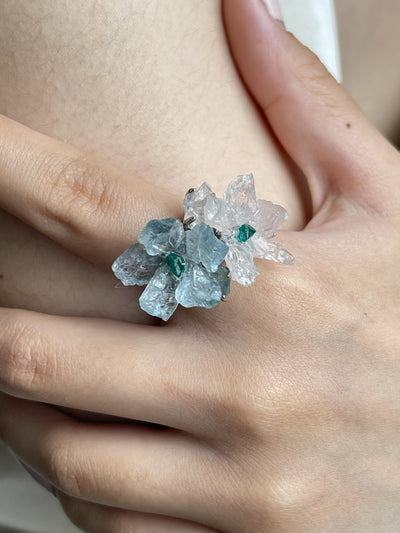
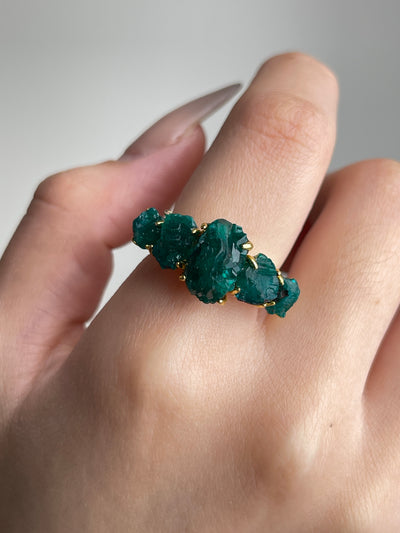
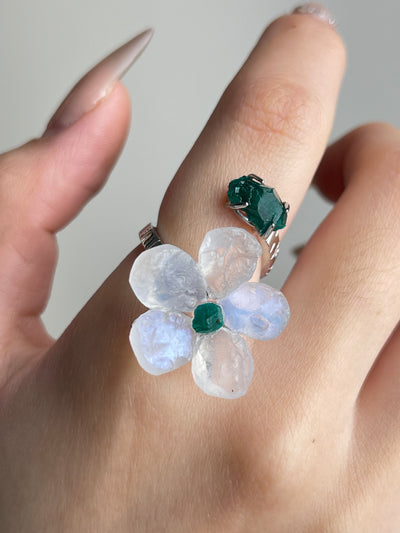
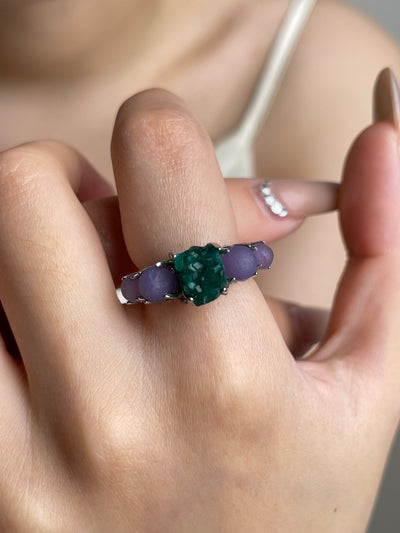
Dioptase in Jewelry
Although dioptase has the vibrant color of a gemstone, it is rarely used in traditional faceted jewelry.
Its relatively soft hardness and delicate crystal structure make it difficult to cut or polish without damage.
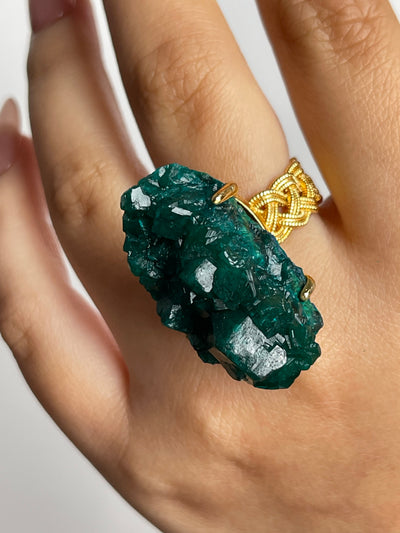
Instead, dioptase is most often used in natural crystal jewelry, where the stone’s original structure is preserved.
Small crystal clusters or individual prisms are sometimes set into pendants, rings, or collector pieces that highlight the crystal exactly as it formed in nature.
This style of jewelry celebrates:
- natural crystal geometry
- vivid emerald color
- untouched mineral beauty
Because high-quality dioptase crystals are relatively rare, jewelry pieces featuring natural dioptase are often produced in limited quantities.
Each piece is unique, shaped by geological processes that took thousands — sometimes millions — of years.

The Natural Beauty of Dioptase Crystals
Like all minerals formed in nature, no two dioptase crystals are identical.
Each specimen forms slowly underground through geological processes that may take thousands — or even millions — of years. Small variations in mineral concentration, temperature, and surrounding rock create differences in:
- color intensity
- transparency
- crystal shape
- matrix structure
- These natural variations are not imperfections.
They are what make mineral crystals so fascinating.
Every piece of dioptase is a small fragment of geological history — a structure shaped entirely by the Earth itself.
Why Collectors Love Dioptase
Among mineral collectors, dioptase is widely considered one of the most beautiful copper minerals.
Its appeal comes from several factors:
- vivid emerald-green color
- naturally geometric crystal shapes
- strong glassy luster
- rarity of fine specimens
When small sparkling crystals grow across dark host rock, the result can resemble miniature landscapes or sculptures created by nature itself.
For many collectors, dioptase represents the perfect balance of color, rarity, and natural artistry.
Discover Natural Dioptase Jewelry
At Oryssia, we celebrate crystals in their most natural form.
Our Dioptase Collection features carefully selected natural crystals set into jewelry that preserves the stone’s original structure and beauty.
Each piece highlights the vivid green color and raw crystal geometry that make dioptase one of the most captivating minerals on Earth.
Explore the collection and discover the quiet brilliance of this rare crystal.

Frequently Asked Questions
Is dioptase rare?
Yes. High-quality dioptase crystals are relatively rare and are found only in limited copper deposits around the world.
Is dioptase the same as emerald?
No. Although the color is similar, emerald is a variety of the mineral beryl, while dioptase is a copper silicate mineral.
Can dioptase be used in jewelry?
Yes, but it is usually used in raw crystal jewelry rather than faceted gemstones because it is relatively soft.
What makes dioptase special?
Its vivid emerald-green color, delicate crystal form, and rarity make it one of the most visually striking copper minerals known.






- Choosing a selection results in a full page refresh.
- Opens in a new window.